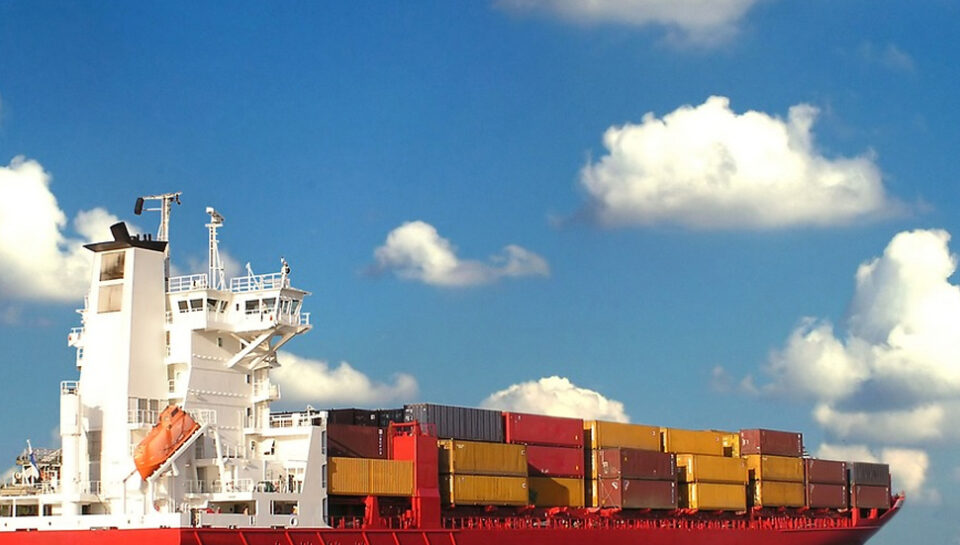
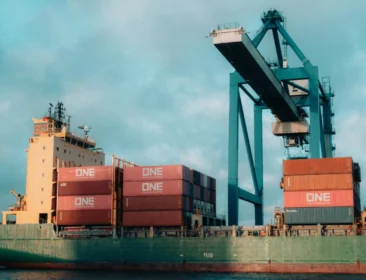
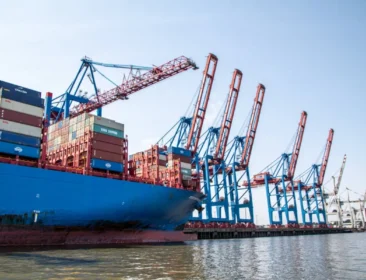
Maritime freight transport is the backbone of international trade, handling over 90% of global goods. Thanks to its cost-efficiency, scalability, and environmental advantages, it is indispensable for businesses seeking reliable and sustainable logistics solutions. This article provides a scientific and commercial analysis of maritime shipping, highlighting its strategic advantages for businesses and entrepreneurs.
Maritime transport offers the lowest cost per ton compared to air and land freight, especially for bulk commodities and long-distance shipments. Large container ships and bulk carriers enable economies of scale, reducing unit costs and boosting profit margins. According to LAB University of Applied Sciences, maritime transport significantly lowers product prices thanks to optimized supply chain networks.
With access to over 4,000 seaports worldwide, maritime transport connects businesses to global markets. It supports import and export operations, facilitates supply chain integration, and enables companies to expand their reach. Reports from the International Maritime Organization (IMO) indicate that maritime trade volume exceeded 11 billion tons in 2024, underlining its critical role in global commerce.
Lorem Ipsum is simply dummy text of the printing and typesetting industry. John Smith
Conclusion
Maritime freight transport is not just a logistical option, but a strategic catalyst for global business. Its cost-efficiency, technological integration, and environmental advantages make it essential for companies aiming to compete in international markets. As digital transformation and sustainability reshape the industry, investing in maritime logistics is a forward-looking decision for any organization.
Low Cost
Large Capacity
Eco-Friendly
Three Key Advantages of Maritime Freight Transport
Ideal for bulk shipping and long distances
Handles oversized cargo efficiently
Lower carbon emissions per ton compared to air or land transport