🌊 Maritime Cargo Transport: A Strategic Pillar of Global Trade
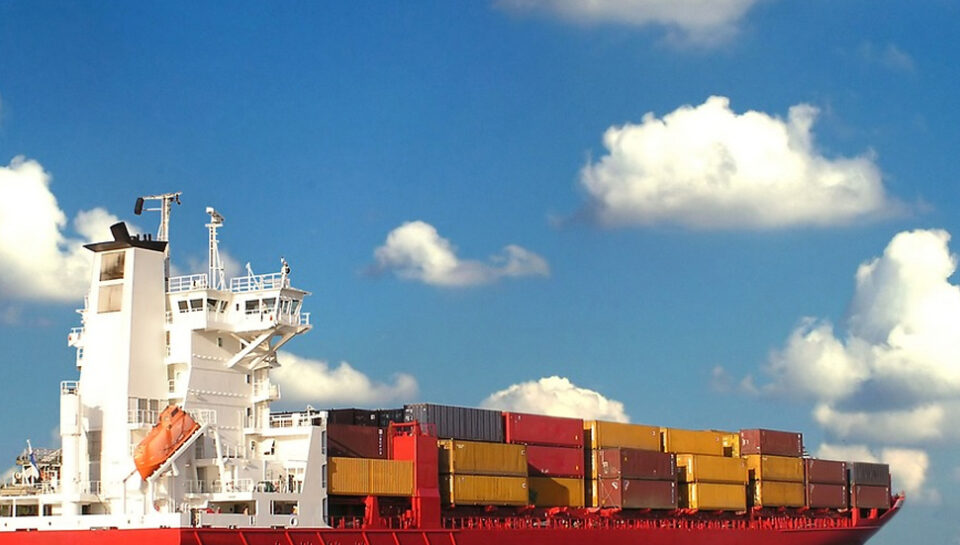
Maritime cargo transport is the backbone of international trade, responsible for moving over 90% of global goods. Its cost-efficiency, scalability, and environmental advantages make it indispensable for businesses seeking reliable and sustainable logistics solutions. This article presents a scientific and commercial analysis of sea freight, highlighting its strategic benefits for companies and project owners.
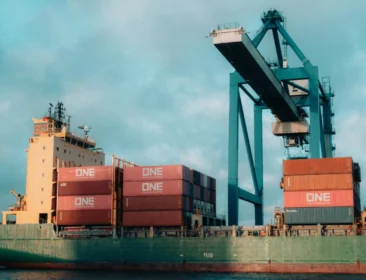
Sea transport offers the lowest cost per ton compared to air and land freight, especially for bulk commodities and long-distance shipments. Large container vessels and bulk carriers enable economies of scale, reducing unit costs and enhancing profit margins. According to the LAB University of Applied Sciences, sea transportation significantly lowers product prices due to optimized supply chain networks
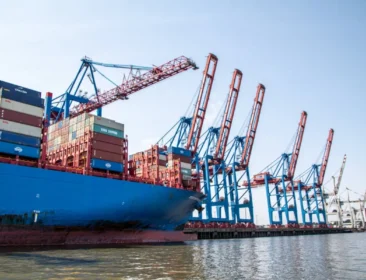
With access to over 4,000 seaports worldwide, maritime transport connects businesses to global markets. It supports import-export operations, facilitates supply chain integration, and enables companies to expand their reach. The International Maritime Organization (IMO) reports that maritime trade volume exceeded 11 billion tons in 2024, underscoring its critical role in global commerce
Lorem ipsum amet consectetur the adipiscing elit. Mauris as pulvinar as vulputate dummy text. John Smith
Conclusion
Maritime cargo transport is not just a logistical option—it is a strategic enabler of global business. Its cost-efficiency, technological integration, and environmental advantages make it essential for companies aiming to compete in international markets. As digital transformation and sustainability reshape the industry, investing in maritime logistics is a forward-looking decision for any enterprise.
Low cost
Large capacity
Eco-friendly
Three key benefits of Sea Cargo Transport
Ideal for bulk and long-distance shipping
Handles high-volume cargo efficiently
Lower carbon emissions per ton compared to air or road transport
We specialize in delivering seamless transport and logistics solutions that empower your business. With a strong commitment to reliability, speed, and customer satisfaction.
Address Business
Port Said Steet – Hourieh Building
Contact with us
For Sea Air Call us: (+963) 993 877 500
For Costume and Land Call us : (+963) 933 622 594
Working time
Sat - Thu: 8.00 am - 18.00 pm
Office : Closed on Friday
Online : 24/7 WhatsApp