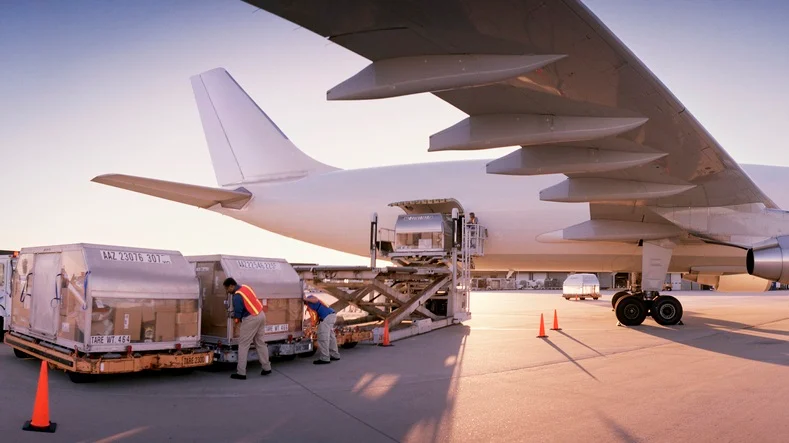
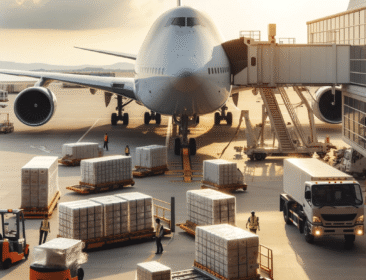
✈️ Air Cargo Transport: Strategic Value for Modern Businesses
Air cargo transport plays a pivotal role in global logistics, offering unmatched speed, reliability, and connectivity. For companies operating in time-sensitive industries—such as pharmaceuticals, electronics, and e-commerce—air freight is not merely a convenience but a strategic necessity. This article explores the scientific and commercial benefits of air cargo, supported by recent research and industry trends
Air transport is the fastest mode of cargo delivery, enabling goods to reach international destinations within hours. This is critical for perishable items, urgent medical supplies, and high-value electronics. According to IATA, air cargo volumes are projected to grow by 5.8% in 2025, reaching 72.5 million tonnes, driven largely by e-commerce and just-in-time manufacturing
Air freight offers high schedule reliability and minimal transit delays. Integrated logistics systems benefit from predictable delivery windows, which enhance inventory planning and reduce warehousing costs. The AeroSync model, as discussed in recent studies, helps optimize multimodal logistics by integrating air transport with digital platforms for real-time tracking and analytics
Lorem ipsum amet consectetur the adipiscing elit. Mauris as pulvinar as vulputate dummy text. John Smith
Conclusion
Air cargo transport is not just a logistical solution—it is a strategic asset for modern businesses. Its speed, reliability, and global reach empower companies to operate efficiently, respond to market demands swiftly, and maintain a competitive edge in international trade. As technology and sustainability reshape the industry, investing in air freight capabilities becomes essential for future-proofing supply chains.
Fast delivery
Global access
High security
Three key benefits of Air Cargo Transport
Air freight is the fastest mode of transport, ideal for urgent and time-sensitive shipments.
It connects remote and international markets efficiently, supporting global trade.
High safety standards and controlled environments reduce risks of theft or damage.
We specialize in delivering seamless transport and logistics solutions that empower your business. With a strong commitment to reliability, speed, and customer satisfaction.
Address Business
Port Said Steet – Hourieh Building
Contact with us
For Sea Air Call us: (+963) 993 877 500
For Costume and Land Call us : (+963) 933 622 594
Working time
Sat - Thu: 8.00 am - 18.00 pm
Office : Closed on Friday
Online : 24/7 WhatsApp